Overseas Open Markets and Sellers
How Brand-Operated Stores, Authorized Resellers, and General Marketplace Sellers Operate Within the Same Marketplace
 0
0
 0
0
The same product can appear several times on Coupang, Naver Shopping, 11st, Gmarket, or another Korean marketplace. One listing may come directly from the brand, another from an authorized retail partner, and another from an independent seller using the marketplace.
The product images may look identical, but the seller type can affect the exact model, import route, warranty eligibility, return process, accessories, and the company responsible when something goes wrong. The safest choice therefore starts with the legal seller and product conditions, not the lowest price or the most familiar logo.
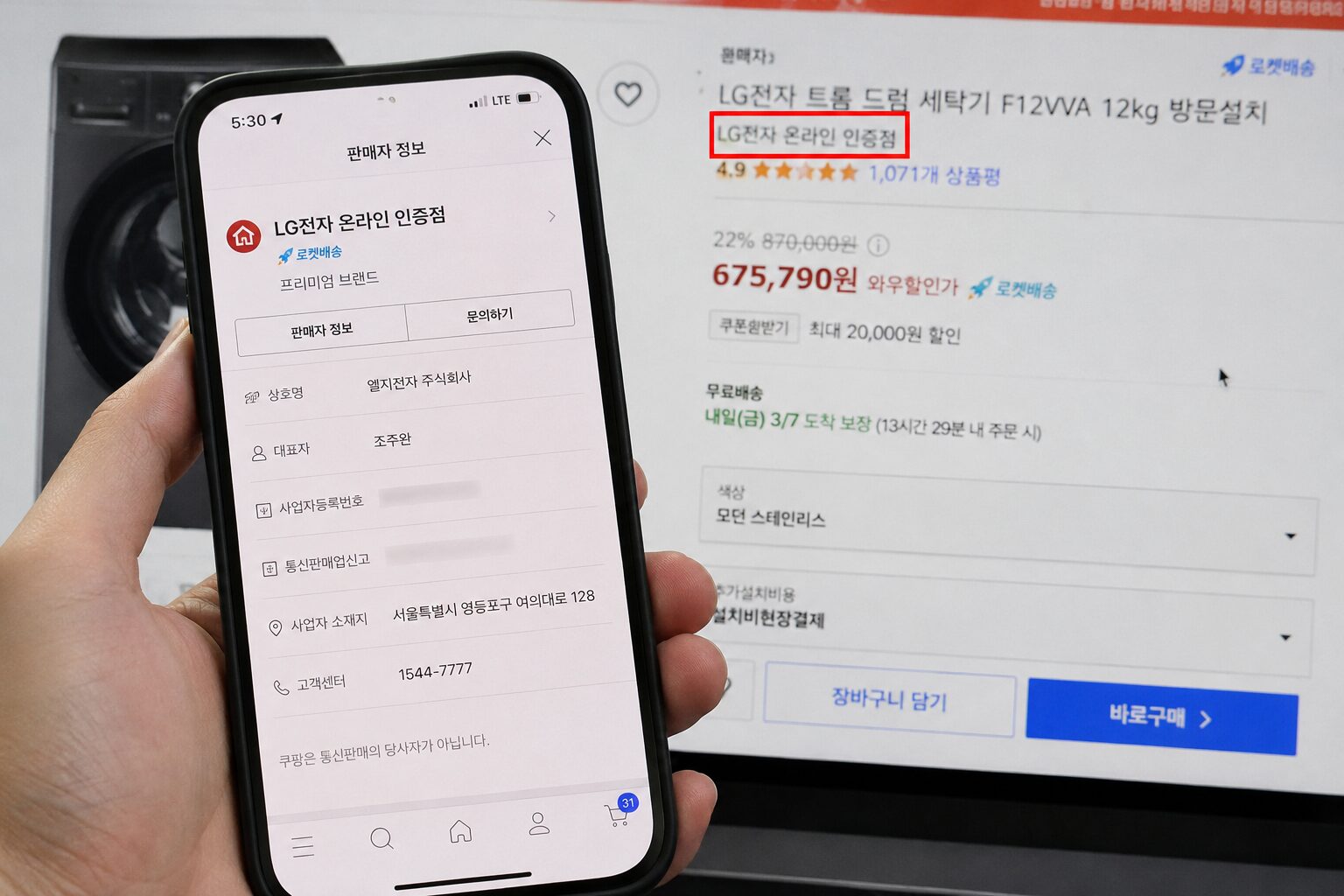
Verify the Legal Seller Behind the Store Name
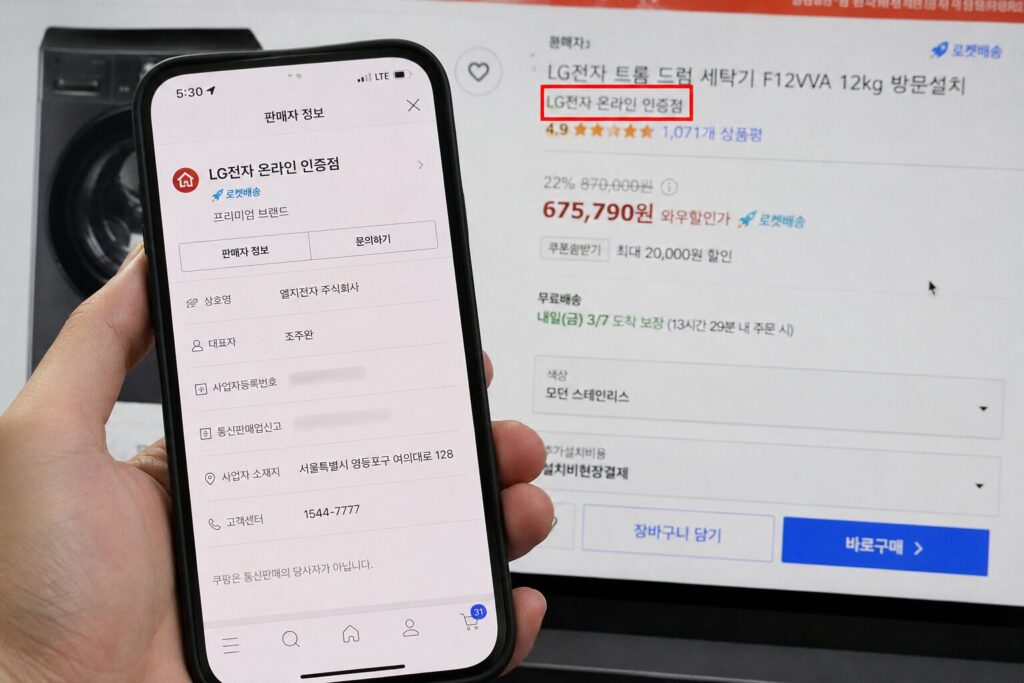
A store name containing words such as “Official,” “Brand,” or “Authorized” is useful information, but it should not be the only evidence you rely on. Open the seller or store-information section and identify the legal business name that will appear on the order and receipt.
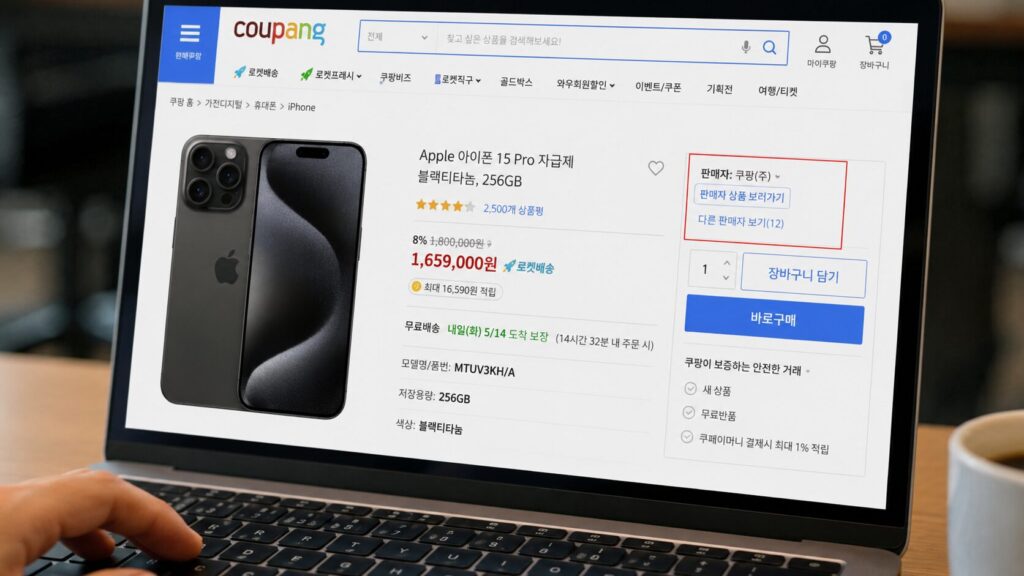
On open marketplaces, the marketplace itself may not be the seller. Coupang, for example, states that marketplace products can be sold by individual registered sellers and that Coupang acts as a sales intermediary for those transactions. A delivery or fulfillment label therefore does not, by itself, prove that the brand manufactured, imported, or sold the item directly.
Platform badges also serve different purposes. Naver Smart Store seller grades are calculated using factors such as sales, order fulfillment, delivery quality, and customer satisfaction. They indicate marketplace performance, not necessarily authorization from the product’s manufacturer.
Use the following distinctions as a starting point:
| Seller type | How to verify it | What it may offer | What not to assume |
|---|---|---|---|
| Brand-operated store | The seller’s legal name belongs to the brand or its Korean subsidiary; the store is linked from the brand’s official site | Direct product information, official campaigns, and models intended for the Korean market | Every marketplace store using the brand name is operated by the brand |
| Authorized reseller | The seller appears on the brand’s current authorized-dealer list or the brand confirms the relationship | Official domestic products and manufacturer support when covered by the brand’s terms | The reseller follows the brand’s own-store return policy |
| General marketplace seller | The product page identifies an independent business as the seller | Competitive prices, older inventory, imports, open-box items, or ordinary domestic stock | A low price means the product is counterfeit or that no warranty applies |
Some marketplace programs use stricter definitions. Naver’s Highend service, for example, states that only official stores operated by participating luxury brands are admitted. That standard should not automatically be applied to every store or badge elsewhere in the marketplace.
After finding the legal seller name, compare it with the brand’s Korean website and the Korea Fair Trade Commission’s mail-order business lookup. The FTC service publishes registered seller information so consumers can check the business identity before an online transaction.
A business-registration result confirms that the seller exists in the registry; it does not prove brand authorization or product authenticity. Brand authorization still needs to be checked through the manufacturer or official Korean importer.
Distribution Route Determines Warranty, Service, and Return Rights
Two listings with the same main product name may still refer to different versions. Before comparing prices, confirm the complete model number, color or capacity code, country version, product condition, included accessories, and seller.
For electronics and appliances, check whether the item is:
- An official Korean-distribution product
- A parallel import or overseas version
- New and factory sealed
- Open-box, displayed, refurbished, returned, or used
- Supplied with a Korean plug, firmware, manual, and required accessories
Parallel-imported products are not automatically counterfeit. However, the Korean Consumer Agency has noted that after-sales service standards for overseas-brand products can differ according to the import route and place of purchase.
Manufacturer warranty rules also differ by brand and product. Apple’s Korean warranty terms, for example, state that service may be limited to the country where Apple or an authorized seller originally sold the device, and proof of purchase may be requested. This is one brand’s policy, not a universal rule, but it illustrates why the exact model and distribution route matter.
Before ordering, verify in writing:
Who provides the warranty, where repairs are performed, how long coverage lasts, whether proof of purchase is required, and whether the serial number is eligible for service in Korea.
Do not rely only on phrases such as “official warranty,” “domestic A/S,” or “genuine product.” The listing should identify the party responsible for the service. When the answer is unclear, ask through the marketplace’s official messaging system and retain the response.
Return rights should also be separated from manufacturer warranty. Korean online shoppers can generally withdraw from a purchase within the statutory period, commonly seven days from receiving the contractual document or goods, although exceptions may apply when the product has been used, damaged, customized, or has substantially lost value. Products that differ from their description may be subject to a longer claim period under the applicable rules.
The seller should disclose exchange, return, warranty, refund, and dispute-handling conditions before the contract is completed. Consumers are also advised to save the listing, contract details, advertisements, and receipt in case a dispute occurs.
This means a general seller cannot be evaluated only by a short “seller warranty” label. Read the actual conditions and compare them with both marketplace protection and statutory consumer rights.
The Real Value of a Listing Includes Warranty, Returns, and Seller Accountability
A lower price can be reasonable when the seller is clearing older stock, selling a parallel import, offering an open-box unit, or operating with a different distribution structure. The question is what you give up in exchange for the discount.
Before paying, confirm these points on the exact listing:
- The seller’s legal business name
- The full model and regional version
- New, used, refurbished, displayed, or open-box condition
- Official Korean distribution or parallel import
- Manufacturer warranty or seller-provided warranty
- Return address, return cost, and exclusions
- Receipt, serial number, accessories, and delivery method
A brand-operated store may be preferable when you want the clearest link to the Korean product line, official launches, or brand-managed support. An authorized reseller can be equally practical when the exact model and manufacturer coverage are confirmed and its price or bundle is better.
A general marketplace seller can still be a sensible choice when the condition, import route, warranty, and returns are clearly documented. The larger the price gap and the higher the product value, the more carefully these details should be checked.
Keep payment and communication inside the marketplace. Naver Smart Store prohibits sellers from directing buyers to complete transactions outside its protected payment process, and it provides reporting and dispute channels for marketplace transactions.
The most reliable purchase process is:
Identify the legal seller → verify brand authorization when claimed → match the exact model and import route → confirm Korean warranty and returns → save the listing and receipt.
The best listing is not automatically the brand store or the cheapest seller. It is the listing whose price, product condition, warranty, and responsible business are all clear before you place the order.


